
Heart Centred Practices to Transform your Life & Relationships
Shepherds Close London N6 5AG 07855 781 210
Author Posts :Aisha Ali
-
When Love Is There But Intimacy Has Faded | Couples Therapy
There is a particular moment many couples describe in the therapy room. They look at each other with so much history between them—children, moves, illnesses, late‑night arguments, private jokes—and one of them says, “I know I love you. But I can’t feel us anymore.”
If that lands a little too close to home, you are not alone. This quiet ache is one of the most common experiences in long‑term relationships, even when genuine love remains.
When numbness replaces closeness
It rarely arrives as sudden drama. More often, it creeps in quietly; the phones that stay on the table during dinner, the conversations that shrink to logistics, the way bodies curl back‑to‑back in bed, not out of hatred, but out of habit and exhaustion. Love is still here, yet intimacy has thinned to a faint thread.
In those moments, many people secretly wonder;
“Is this just what long‑term love becomes?”
“Do we have to choose between deadness and chaos?”Underneath those questions is usually a deeper one, “Can we find our way back to each other without destroying what we’ve built?”
What sits underneath “we keep fighting”
On the surface, couples often arrive saying they “argue all the time” or “never argue at all.”
Underneath, something more tender is happening. The nervous system is on high alert, scanning the relationship for threat: Will you leave me? Will you criticise me? Will you disappear into your work, your phone, your thoughts?So the body does what it has learned to do.
One partner gets louder, sharper, demanding contact. Another shuts down, goes silent or distant, trying to keep the peace inside their own system. The very strategies that once kept them safe now create more distance. Neither is wrong; both are protecting something precious.When couples begin to see their patterns through this lens—not as proof of failure, but as old survival wisdom now ready to be updated—something softens. The question shifts from “Who is right?” to “How did we get here, and how do we want to live now?”
As you read this, do you recognise yourself more in the one who gets louder, or the one who disappears? Simply noticing that is already a beginning.
The shadow side of love
Long‑term intimacy always includes a shadow—the parts of us we would rather not see: neediness, anger, jealousy, fear, the child who still aches for reassurance. In relationship, these unhealed places get activated again and again.
Carl Jung spoke of these hidden aspects as the “shadow”—parts of ourselves we disown and push away, often in childhood, when our needs for love, safety or understanding went unmet. In a young mind, a simple, painful logic takes hold: “If my needs are not met, it must be because I am too much, not enough, or fundamentally wrong.”
To survive, we exile the vulnerable, needy or angry child within and try to become someone more acceptable. Yet in adult relationships, that exiled child does not disappear. They wait at the gate of our intimacy, desperate to be seen. When a partner’s tone, absence or criticism echoes that old unmet need, the exiled part erupts—not as a rational adult, but as a wounded child crying out through blame, withdrawal or desperation.
These wounds are not only personal. Many couples are also carrying stories that did not start with them—patterns of silence, survival, shutdown or over‑responsibility that stretch back through parents, grandparents and differing cultural norms.
Psychotherapists sometimes call this generational or ancestral trauma; the way unfinished grief, fear and adaptation are passed down as “normal” ways of loving. When partners begin to see that they are not just fighting each other, but also trying to heal what whole lines of family never had space to heal, a different tenderness and sense of shared purpose can emerge—a feeling of “we are breaking a pattern together.”
Inside each of us, there is more than one “voice” at play. There is a part that gets angry and defensive, a part that shuts down and goes numb, and a much younger part that still feels scared, not enough, or too much. These inner figures all want one thing, to protect us from pain and move us to safety.
In couples, it can look like two protective parts talking to each other—the critic and the withdrawer, the controller and the appeaser—while the softer, more vulnerable places inside both people never get to speak when partners begin to recognise these inner roles and talk about them together (“a panicked part of me wants to push you away right now”) rather than from them, the whole atmosphere shifts. There is more room for compassion, accountability and real choice.
I have noticed in the last few years that many couples arrive already using labels, “He’s a narcissist,” “She’s toxic,” “I’m done with his ego.” Sometimes those words fit; sometimes they are a raw way of saying, “I feel unseen, overpowered or erased here.”
What helps is looking at what sits underneath the behaviour. Is there a part that feels entitled, superior, always “right” (what some psychotherapists call grandiosity)? Is there another part that feels small, wrong, never good enough (shame)? Both can show up in the same person, and both can be devastating in a relationship if they are never met with boundaries, truth and care. Terry Real talks about moving from “me versus you” into “we”—standing side by side, facing the problem together, while still insisting on honesty, responsibility and repair.
What changes everything is when both partners learn to bring curiosity to the shadow rather than shame. Instead of “Why are you like this?” the question becomes “What is this feeling protecting? What does it need from us?” That is where intimacy deepens: not in being perfect, but in being more fully human, and more fully together.
A different kind of space for couples
In couples therapy, the focus is not on deciding who is “the problem,” but on creating a safer nervous system between them—a field where they can slow down, listen differently, and meet each other with new eyes.
Ancient eastern wisdom traditions have understood that healing happens through experience, not just words – through breath, ritual, touch, song, movement and the felt presence of another. Modern neuroscience is now giving language for what was intuited and felt, that healing does not happen only because we “talk it through,” but because the nervous system has a new experience that contradicts what it has always expected. In simple terms, the brain is constantly predicting: “If I reach out, I’ll be rejected,” “If I disagree, I’ll be attacked,” “If I show my feelings, I’ll be shamed.”
Within psychotherapy and carefully held Living from The Heart workshops, change begins when those old predictions quietly fail.
A partner who expects rage meets steadiness instead. Someone who braces for criticism is met with curiosity.
The person who apologises for existing is invited to take up a little more space. Each time reality is less dangerous than expected, the system pauses, recalibrates, and learns: “Maybe this is a little safer than I thought.”
Insight and self-awareness can be helpful, but these small, repeated moments of safety landing differently in the body are what really begin to rewrite old relational maps.
This is why the work often includes:
Learning how to pause when the body goes into fight, flight, or freeze.
Practising co‑regulation—using breath, touch and presence to settle together.
Exploring sensual and erotic energy as a place of play and connection, not performance or pressure.
Using ritual and imagination to mark endings, new beginnings, and the reality of change over time.
Couples are often surprised by how much can shift when they experience each other outside the usual four walls of their conflict—perhaps lying side by side in a guided meditation, or holding hands in silence while paying attention to the breath. Something in the field between them begins to remember: “Oh. It is safe enough to soften here.”
When a couples therapy workshop makes sense
Weekly couples therapy is sometimes exactly what a relationship needs; a steady, contained space to unwind long‑standing patterns slowly. At other times, couples may feel too stuck, too busy, or too overwhelmed to wait months for momentum to build. They might need a space to kickstart, explore deeper, or need an immersion—time away from everyday life to focus only on themselves on a couples intensive where they are the only participants.
That is why couples intensives or couples weekend workshops can be so powerful. Over two days, partners have the chance to:
Step out of routine and really see each other again.
Understand their patterns through the nervous system and attachment, not self‑blame.
Practise new ways of speaking, listening, and being in each other’s bodies and presence.
Touch the deeper dimension of their connection—the sense that relationship can be a path of growth, not just another task.
The aim is not to “fix” anyone. It is to create a grounded, supportive space where two people can meet themselves and each other with more honesty, courage and tenderness. Reaching out for that kind of support is not a sign that love has failed; it is often how couples discover an entirely new way of being together.
An invitation to reawaken your relationship
If any part of this story feels familiar—if you recognise the quiet ache of still loving your partner and not quite knowing how to reach them—consider this a gentle nudge that you do not have to navigate it alone. See more for couples intensives.
Couples Therapy Weekend Workshop
Reawakening Love & Intimacy 24th – 25th January 2026 North London
I will be running a small, immersive couples workshop for up to six couples ready to move from conflict and disconnection into greater safety, intimacy, and soulful connection together. Drawing on over 25 years of clinical, relational, body‑based and energy‑informed work, the weekend is designed as a sacred and practical space to;Transform conflict into connection through deep listening and nervous system tools.
Explore the shadow dynamics and generational patterns that keep you stuck.
Awaken sensual and emotional intimacy in a safe, conscious container.
Use ritual, meditation and sound healing to mark a new beginning.
If this story resonates with you, you are invited to learn more about the workshop and the application process here.
And if now is not the time, you are still welcome to keep this question close:
What might begin to change if we treated our relationship not as a problem to fix, but as a living, sacred space to tend together?
Conscious Relationship Workshops
Your love is worthy of care. Let this be your turning point. -
Couples Therapy Workshops
A Sacred Path to Love, Healing & Intimacy
Couples Therapy Workshops Living from the HeartAre you longing for more than a quick fix for your relationship?
Welcome to a space where love becomes a sacred path—a journey toward healing, intimacy, and transformation.For over 25 years, I have been honoured to walk alongside couples seeking more than symptom relief. Through Living from the Heart—my integrative, heart-centred approach that combines mind-body psychotherapy with energy healing and soul wisdom—I’ve helped partners rediscover what’s possible when intimacy is treated not just as emotional closeness, but as a profound spiritual connection.
Since 2004, couples have come to our retreats and workshops not only to repair, but to reawaken. In a world that moves fast and demands much, this work offers you something rare: time to slow down, listen, and reconnect—deeply.
5 Signs Your Relationship Needs a Couples Workshop
1. You’re Having the Same Arguments on Repeat
If disagreements about trust, responsibilities, or digital boundaries resurface again and again, it’s often a sign that deeper needs and wounds are being left unmet.
In our couples therapy workshop in London, we create a safe, professionally held space to explore what’s underneath and gently shift the cycle.2. There’s Emotional Distance or You Feel Like Roommates
Many couples share a home, a life, even children—but feel the warmth and affection have faded.
Through presence-based listening, breathwork, and heart-centred dialogue, we restore the nervous system’s capacity to feel connected, attuned, and alive again.3. Touch, Affection, or Desire Has Faded
Sexuality often suffers in long-term relationships. Stress, shame, trauma, or disconnection can cause couples to retreat from physical closeness.
Through body-based practices, conscious touch, and sacred ritual, you’ll begin to feel the possibility of desire, safety, and polarity once more.4. You’re Navigating Major Life Transitions or Grief
From parenthood to menopause, illness to career upheaval, life changes can shake the foundations of connection.
Our North London couples workshops & retreat offers a held space to honour what is ending, integrate what’s changing, and begin anew—side by side.5. You Long for Spiritual Connection in Love
You may feel there’s something deeper possible in your relationship—more presence, creativity, or soul—but feel unsure how to access it.
Our workshops offer a way into sacred intimacy, with practices that meet you exactly where you are.This Is More Than Therapy
The Awakening Love & Intimacy workshop brings together:
Western psychotherapy & embodied healing
Eastern wisdom, meditation & sacred ritual
Nervous system regulation & co-regulation tools
Safe, sacred group work—never more than six couples per workshop
This is not therapy as usual. It’s a transformational space where nervous systems co-regulate, patterns dissolve, and couples discover new ways to love.
Sacred Sexuality- Reclaiming Erotic Connection
Sexual connection is often oversimplified or shamed in mainstream culture. In sacred space, however, it becomes a path to healing and pleasure.
In our sacred sexuality and intimacy workshop UK, you’ll explore:
Conscious touch and body-led intimacy tools
Guided practices to release shame and reclaim desire
The dance of sexual polarity and the energy of attraction
This isn’t performative or prescriptive. It’s about rediscovering the living, breathing spark between you—held in truth, play, and safety.
Real Couples. Real Transformation.
“We found language for things we’d been dancing around for years. This workshop gave us hope, tools, and a sacred space to reconnect.”
— Past participantSam and Maya arrived with years of unspoken pain. Their patterns were rigid, their silence deep. But through stillness, witnessing, and guided reconnection, something began to soften.
By Sunday, Maya whispered, “I felt seen by you in a way I’d stopped hoping for.”
Sam added, “This space felt sacred. It gave us the courage to try again.”Your Invitation to Begin Anew
If even one of these signs resonates with you, your relationship may be calling for renewal. Whether you’re newly together, in a long-term partnership, or moving through transition, our workshops provide a sacred pause to realign with love.
Next Workshop: Reawakening Love and Intimacy
North London (N6)
January 24–25, 2026
Aisha Ali, UKCP Psychotherapist, Psychosexual Therapist, Founder of Living from the Heart
With guest sound healer Kasia MarzecOnly six couples per workshop to ensure intimacy and depth.
Conscious Relationship Workshops
Your love is worthy of care. Let this be your turning point. -
How Trauma Shows Up in Intimacy — and What Helps
Trauma doesn’t always look like what we expect.
It doesn’t only live in flashbacks or big events — it lives in the body, in the nervous system, and in the subtle dynamics of how we relate.In intimacy, trauma often shows up in the places we least expect:
In the argument that escalates from nothing
In the touch that suddenly feels unsafe
In the silence that settles after something important goes unsaid
In the moment of closeness that makes us freeze
As a couples therapist and psychotherapist working with individuals and couples for over 25 years, I see how trauma patterns silently shape love — not because we’re broken, but because we’re wired for protection.
And this is where the work begins.
Common Ways Trauma Affects Intimacy
Trauma in relationships can look like:
Avoiding emotional closeness or physical affection
Fear of being “too much” or “not enough”
Disconnection or shutdown during sex
Over-functioning (rescuing, caretaking) or under-functioning (withdrawing, collapsing)
Hypervigilance in response to perceived abandonment
Struggling to speak your needs or name your truth
These patterns are not your fault.
They are survival strategies — intelligent, protective mechanisms that helped you adapt when love didn’t feel safe.But over time, these protections can create distance in the one place we most long to feel held.
What Helps – Based on the Living from the Heart Approach
Living from the Heart is an integrative model I’ve developed through decades of clinical practice, rooted in relational psychotherapy, psychosexual healing, energy work, and trauma-informed embodiment.
Here’s what I’ve seen create real, lasting change in couples:
✺ 1. Nervous System Awareness
Understanding how trauma impacts your physiology (fight, flight, freeze, fawn) helps you and your partner pause before reacting and build safety from the inside out.
✺ 2. Energetic Attunement
Trauma disconnects us from our own felt sense — and from each other.
We use subtle bodywork, breathwork, and presence to re-establish the flow of connection between partners. This is relational energy healing.✺ 3. Conscious Communication & Embodied Dialogue
Speaking from the body (not just the mind) changes everything.
Through guided, safe dialogue processes, couples learn to speak and hear each other in ways that rebuild trust, intimacy, and co-regulation.✺ 4. Shadow Work in a Relationship
Instead of blaming your partner or yourself, we explore the projections, unmet needs, and family dynamics that play out unconsciously.
This brings compassion — and freedom.✺ 5. Ritual + Sound for Integration
Healing doesn’t only happen in words.
We close our workshops with a restorative sound bath (led by Kasia Marzec), helping couples anchor their emotional shifts into the body through vibration, silence, and inner stillness.Want to Reconnect After Trauma?
If you and your partner feel stuck, distant, or caught in painful patterns — and are ready for something deeper — I invite you to join me for my upcoming workshop:
Meeting the Shadow in Love
A 2-Day Couples Therapy Workshop | North London
20 – 21st September 2025
Highgate, North London
£650 per couple | Limited to 6 couplesYou’ll experience an intimate, supportive therapeutic space to:
Explore how trauma has shaped your relationship.
Learn to co-regulate and communicate with more safety and truth.
Reignite emotional and erotic connection.
Begin again, from the heart
Explore trauma-informed couples therapy in North London
At Living from the Heart, I offer transformative programs to help you break free from disconnection and cultivate deeper, more fulfilling relationships. -
Meeting The Shadow in Love
Why Real Intimacy Begins Where We’re Willing to Look
Lately, I’ve been reflecting on the hidden spaces between couples — the places we don’t name, but always feel.
The shadow.The moments of silence after conflict.
The subtle withdrawal or tight smile.
The longings we don’t speak aloud for fear of disrupting the fragile peace.
Or the love that feels out of reach, not because it’s gone, but because it’s buried.In my work with couples over the years, one thing has become clear:
The shadow doesn’t mean something is broken. It means something is waiting.When we meet these parts — the unmet needs, the projections, the tender wounds we inherited or absorbed — we begin to move from reaction to response, from defence to connection.
Real intimacy begins there.
Not in perfection.
Not in “fixing” each other.
But in the brave act of showing up — truthfully, vulnerably, and with heart.Love Without Illusion
Relationships are initiatory. They ask us to evolve.
But in the busyness of life — especially for high-functioning couples, parents, and professionals — we often don’t have the space to breathe, let alone reflect. We spiral into the same arguments. We start living beside each other instead of with each other.
I created Meeting the Shadow in Love because I know what’s possible when we pause long enough to truly listen — not just to our partners, but to the parts of ourselves we’ve exiled in the name of being “good” or “reasonable” or “strong.”
This is the work:
To slow down.
To remember why we came together.
To let the walls soften, even if just for a weekend.A Gentle Invitation
If you and your partner are longing to reconnect — or are at a threshold moment in your relationship — I invite you to join me this September for a two-day couples workshop in North London.
Together, we’ll explore:
Transforming unconscious patterns and protective dynamics
Practising co-regulation and relational repair
Reigniting emotional and erotic intimacy
Shadow work, body-based healing, and the sacred pulse of relationship
And we’ll close with a restorative sound bath, guided by Kasia Marzec, to anchor the experience into your nervous system and your heart.
For couples ready to love more truthfully, not more perfectly.
21–22 September 2025
Highgate, North London | Limited to 6 couples
Learn more & register hereStart Your Journey to Deeper Connection
At Living from the Heart, I offer transformative programs to help you break free from disconnection and cultivate deeper, more fulfilling relationships. -
Embodied Approach To Healing Disconnection In Couples, Families And Groups
An Embodied Approach
Have you ever sat at the dinner table with your family, surrounded by conversation, yet felt profoundly alone? Do your interactions feel like battles instead of bridges? Many of us long for deeper, more meaningful connections but find ourselves trapped in patterns of disconnection. What if healing was possible?
I am Aisha Ali, UKCP Reg Psychotherapist and founder of Living from the Heart. With over 25 years of clinical experience, I have worked with individuals, couples, and groups to transform relational dynamics. My approach integrates Eastern and Western psychotherapy methods, drawing from my extensive background in Community theatre, Dramatherapy, conflict resolution, embodied relational work, and creative healing practices.
I have worked within the NHS, corporate, statutory, and voluntary sectors. My experience includes working with diverse populations, young people, couples, and families—helping them break free from conflict patterns and cultivate deeper, more fulfilling relationships.
At Living from the Heart, I believe that healing disconnection in families and groups begins with embodied presence, relational attunement, and the courage to be vulnerable. This blog explores how a heart-centred approach can transform family and group dynamics, building deeper connections, trust, and resilience.
The Fractured Mirror: Disconnection in Families and Groups
When families and groups lack embodied presence, conversations become transactional rather than transformative. People talk at each other rather than with each other, leading to emotional disengagement and a sense of alienation. This disconnection is often compounded by power dynamics, epistemic mistrust, and emotional disengagement, leaving individuals feeling unseen and unheard.
Signs of Disconnection:
Conversations revolve around winning arguments rather than enhancing understanding.
Defensiveness, avoidance, or exclusionary behavior replaces emotional intelligence.
People feel disconnected from their bodies, reducing their capacity for empathy and attunement.
“Disconnection happens when we speak at each other rather than with each other. Healing begins when we listen—not just with our ears, but with our hearts.”
Reflection: How does your body react in family or group discussions? Do you notice tension, withdrawal, or the urge to assert control?
Case Study: The Smith Family
The Smith family came to therapy feeling deeply disconnected. Sarah, the mother, described family dinners as “battlegrounds,” where her teenage son, Jack, would shut down while her husband, Mark, would dominate the conversation. Sarah felt invisible, caught between Jack’s silence and Mark’s intensity.
Through a heart-centered and embodied approach, I worked with them using somatic awareness, creative expression, and conflict resolution techniques. Sarah noticed tightness in her chest whenever Mark raised his voice, while Jack described a “numbness” that made it hard to speak. Mark, initially defensive, began to recognize how his need to control the conversation stemmed from a fear of being misunderstood.
By practicing embodied dialogue—pausing to notice bodily sensations and emotions—the family began to shift their dynamic. Sarah learned to express her feelings without fear, Jack found his voice, and Mark discovered the power of listening. Over time, their dinners transformed from battlegrounds to spaces of connection and mutual understanding.
Power Dynamics: Breaking the Cycle of Disconnection
Power dynamics in many families and groups create hierarchies that stifle vulnerability and authenticity. When individuals align with power rather than presence, relationships become transactional, and disconnection deepens.
Signs of Unbalanced Power Dynamics:
Speaking over others or dominating conversations.
Disregarding vulnerability as a form of weakness.
Using intellect to override emotional depth and embodied responses.
Making others wrong to establish dominance.
Restoring Balance Through Embodied Awareness:
Encourage emotional risk-taking—sharing from a place of authenticity rather than control.
Create space for vulnerability—shift away from debate and toward relational attunement.
Cultivate deep listening—practice presence rather than rehearsing responses.
Try a heart-centered approach—lift each other up rather than engage in power struggles.
Reflection: Have you ever noticed power dynamics influencing your ability to be vulnerable? How do you respond when confronted with dominance or control in a group setting?
Healing Through Trust & Emotional Attunement
Many couples and individuals struggle with epistemic mistrust, the inability to trust others as reliable sources of knowledge. This often stems from early invalidation or neglect, leading to binary thinking, dismissiveness, and emotional distance in relationships.
Healing Strategies:
Practice curiosity: Instead of reacting, ask: “What am I missing? What might this person’s experience teach me?”
Anchor in the body: Notice what happens somatically when faced with a new perspective—does your breath become shallow? Does your chest tighten?
Develop a culture of listening: Encourage active listening rather than reactionary responses.
Reflection: Where do you struggle with epistemic trust in your family or social circle? Are there situations where you find yourself shutting down when faced with differing perspectives?
The Still-Face Effect: Emotional Disconnection and Its Impact
The still-face experiment reveals the profound distress that arises when emotional attunement is absent. In families and groups, this dynamic plays out as emotional disengagement, surface-level interactions, and unresolved conflicts.
Symptoms of the Still-Face Effect:
– Conversations feel surface-level or performative rather than relational. – A lack of acknowledgment—family members’ contributions are ignored or dismissed. – Emotional disengagement—participants seem checked out or unavailable. – Repetitive, unresolved conflicts—conversations go in circles without meaningful repair.
Restoring Emotional Aliveness in Relationships: –
Practice intentional attunement—notice eye contact, tone of voice, and energy shifts in the group. – Encourage embodied dialogue—rather than just exchanging opinions, invite participants to share how they feel in the moment. – Create repair moments—acknowledge emotional ruptures when they occur, restoring trust and safety.
The Global Importance of Healing Relationships
The work of healing relationships extends far beyond individual families and groups—it has the power to transform communities, societies, and even the world. Living from the Heart believes embodied presence, relational attunement, and heart-centered connection are essential for addressing the collective challenges we face as a global community.
Why This Work Matters Globally:
Building Bridges Across Divides:In a world increasingly polarised by politics, culture, and ideology, the ability to listen deeply and connect across differences is more critical than ever. By creating epistemic trust and curiosity, we can begin to heal the divides that separate us.
Healing Collective Trauma: Many of the challenges we face—from climate change to systemic inequality—are rooted in collective trauma. By addressing the emotional and relational wounds that perpetuate these issues, we can create a foundation for meaningful change.
Creating a Culture of Compassion: When prioritising vulnerability and embodied awareness, we cultivate a culture of compassion and empathy. This shift has the potential to transform how we relate to one another, both locally and globally.
Empowering Future Generations: By modeling heart-centered and embodied approaches in our families and communities, we empower future generations to build relationships based on trust, respect, and mutual understanding.
Living from the Heart, is committed to supporting individuals, families, and groups in this transformative work. Through our therapeutic intensives, advanced skills learning groups, and embodied facilitation training, we aim to create ripples of healing that extend far beyond the therapy room.
A Path to Collective Healing.
Healing the collective wound of disconnection begins with embodied presence, relational attunement, and the courage to be vulnerable. Through advanced skills learning groups, therapeutic intensives, and embodied facilitation training, we support individuals, families, and groups in transforming relational patterns and fostering deep, meaningful connection
Start Your Journey to Deeper Connection
At Living from the Heart, I offer transformative programs to help you break free from disconnection and cultivate deeper, more fulfilling relationships.How We Can Work Together:
Advanced Skills Learning Groups—for therapists and facilitators looking to deepen relational attunement.
- Conscious Leadership Intensives & Retreats
Intensives for Families and Couples—designed to transform relational patterns and foster deep healing.
Psychotherapy Sessions—for couples, individuals, and groups.
Embodied Facilitation Training—helping practitioners cultivate presence, attunement, and relational depth.
- Workshops and Retreats for singles & couples
Ready to transform your relationships? Please book a consultation to explore how we can work together.
Reflect & Take Action
Where do you feel most disconnected in your relationships? How does this show up in your body?
Have you ever experienced the still-face effect in a relationship? How did it impact your sense of belonging?
What would it feel like to approach your relationships with curiosity and vulnerability rather than defensiveness or control?
Together, we can move from fragmentation to wholeness, creating a world where everyone feels seen, heard, and valued.
For more information, visit https://www.livingfromtheheart.co.uk.
- - Transforming Your Relationships | Internal Family Systems (IFS)
Couples Therapy Internal Family Systems (IFS): Transforming Conflict Into Connection
Couples Therapy and Internal Family Systems (IFS): Transforming Conflict Into Connection
Conflict is an inevitable part of every relationship, but unresolved disagreements can create patterns of blame, defensiveness, and emotional distance. Imagine this: an argument begins over something small but quickly escalates because both partners feel unheard or misunderstood. Over time, these cycles leave lasting scars.
I offer an integrative approach at Living from the Heart that blends Internal Family Systems (IFS), relational practices, somatic techniques, and spiritual modalities. Whether healing from trauma, navigating recurring conflict, or seeking deeper emotional and spiritual connection, this framework provides practical tools to transform your relationship.
Who Is This For?
Couples Seeking Connection
Have you ever felt like you’re having the same argument repeatedly? Perhaps one partner lashes out in frustration while the other shuts down to avoid confrontation. This workshop helps couples uncover the deeper dynamics driving these patterns, allowing you to:
- Rebuild trust.
- Improve communication.
- Cultivate intimacy.
Individuals Exploring Relationship Dynamics
Maybe you’ve noticed recurring themes in your relationships—like feeling unappreciated or overgiving—and wonder why they keep happening. Through this work, individuals gain insight into their triggers and patterns, increasing personal growth and self-awareness to show up more consciously in relationships.
Spiritually inclined Individuals and Couples
For those drawn to aligning spiritual practices with healing, this approach integrates energy work, meditation, and balance between the divine feminine and masculine energies. Imagine discovering not only how to resolve conflicts but also how to align with a higher sense of purpose in your relationships.
Professionals Balancing Careers and Relationships
A demanding career often leaves little room for emotional connection. If stress and time constraints impact your relationship, structured intensives and workshops provide actionable tools to help you balance professional and relational priorities while building a deeper bond.
What Is Internal Family Systems (IFS), and How Does It Help Couples?
IFS views the mind as a collection of “parts,” each with its own emotions and roles:
- Protective parts (e.g., Critic or Avoider) shield us from pain but often create relationship misunderstandings.
- Exiles are vulnerable parts carrying wounds from past experiences like rejection, abandonment, or betrayal.
Imagine a disagreement where one partner’s inner Critic dominates, pointing out flaws, while the other’s Avoider retreats into silence. Neither is malicious; both are protective parts trying to defend deeper emotional wounds.
IFS empowers couples and individuals to:
- Recognise and understand their protective parts.
- Heal deeper emotional wounds carried by their Exiles.
- Access their Self, a grounded, compassionate inner leader capable of building empathy and connection.
IFS is a powerful therapeutic tool I use within the Living from the Heart framework. While it offers invaluable insights into the mind’s inner workings, true transformation comes from integrating it with other modalities, such as somatic practices, energy healing, and relational techniques.
How My Framework Supports Healing and Growth
Living from the Heart combines IFS with other modalities to create a flexible, comprehensive approach tailored to your needs. IFS allows you to understand and work with the protective parts and vulnerable emotions that shape your behaviours. By using this tool alongside reflective practices and creative expression, you can address your challenges’ emotional and relational layers.
1. Gestalt Therapy
By encouraging awareness in the present moment, Gestalt Therapy helps you dialogue with disowned parts of yourself.
- For couples: Learn to recognise suppressed emotions that drive reactivity.
- For individuals: Understand how past experiences influence current relational dynamics.
2. Somatic Experiencing
Trauma often lives in the body, creating physical and emotional tension. Somatic practices help release this stored trauma.
- For trauma survivors: Regain a sense of safety and regulation.
- For professionals: Learn to manage stress and stay present in relationships.
3. Jungian Therapy
Explore archetypes like the Great Mother and the Shadow to uncover unconscious relational patterns.
- For spiritually inclined individuals: Connect with more profound aspects of yourself and your partner.
4. Energy Healing and Spiritual Practices
Energy alignment techniques, such as meditation, breathwork, and balancing divine feminine and masculine energies, develop emotional and spiritual harmony.
- For couples: Engage in shared practices to deepen connection.
- For individuals: Release blocks and realign with your true self.
While IFS provides a structured approach to exploring your inner world, my integrative method ensures that we also focus on physical healing, relational growth, and spiritual alignment to achieve lasting transformation.
Practical Tools You’ll Learn
Through this integrative approach, you’ll gain actionable skills, such as:
- Part Awareness: Identify which part of yourself is reacting in conflict.
- Conscious Responses: Shift from reactive behaviours to empathetic, Self-led communication.
- Heartfelt Communication: Express emotions and needs in ways that build understanding and intimacy.
Transforming Conflict Into Connection
Picture this: Instead of arguing about why a task wasn’t completed, you pause and say, “I have a part that feels overwhelmed and unheard right now.” This subtle shift develops empathy and allows your partner to respond with curiosity instead of defensiveness.
When couples and individuals engage with their inner landscapes, conflict becomes an opportunity for healing rather than a source of division. You will learn to identify the unmet needs and fears driving disagreements and use that awareness to rebuild trust, improve communication, and cultivate a deeper connection.
In a recent session, IFS helped a client identify the part of themselves that always feels the need to avoid conflict. Together, we worked to understand this part’s fears and needs, integrating techniques like somatic breathing and self-reflection to create a sense of safety and connection.
Why Choose Living from the Heart?
This program is ideal for individuals and couples who want to:
- Reconnect emotionally, physically, and spiritually.
- Navigate challenges with practical tools and spiritual alignment.
- Heal past wounds and foster conscious, heart-centered relationships.
Program Offerings Include:
- Couples Intensives: Immersive, transformative sessions.
- Workshops: Group experiences exploring relational dynamics and IFS principles.
- Individual Therapy: Personalised support for emotional and spiritual growth.
Your Journey Toward Healing and Connection
Every relationship is a journey, and healing requires compassion, curiosity, and intentionality. Living from the Heart creates a supportive space for exploring one’s inner world, aligning with one’s spiritual essence, and building relationships grounded in empathy and conscious love.
Take the first step toward a conscious relationship.
Contact Me today to learn more about our couples intensives, workshops, and therapy sessions. We’ll help you create an authentic, connected, and deeply fulfilling relationship.Take the First Step Toward a Thriving Relationship. Are You Ready to transform conflict into connection?
Discover how the Living from the Heart program, using Internal Family Systems (IFS) and many other cutting-edge approaches, can help you build a conscious, loving relationship. Contact us today to learn more about our couples intensives, workshops, and personalised therapy sessions. Let’s work together to create the authentic and fulfilling relationship you deserve. -
Turn Holiday Stress into Connection: Navigating Family Dynamics with Grace
Have you ever left a family gathering feeling drained, frustrated, or misunderstood—only to wonder why it always plays out the same way? What if you could flip the script this year and create moments of real connection?
“As Rihanna sang, ‘You can stand under my umbrella,’ the holidays often feel like standing under a glowing shield—protecting yourself from the storm of family tensions while trying to hold onto moments of connection and joy. What if this year, instead of bracing for the chaos, you used those moments as opportunities to grow, reflect, and deepen your relationships?”
Holidays with family: a time of joy or an annual emotional minefield? You are not alone if family gatherings feel more like navigating your childhood wounds than sipping eggnog by the fire. The holidays are meant to bring us closer, but why do they often leave us feeling drained, frustrated, or disconnected? This year, what if you could approach the holiday season differently? Instead of just surviving the chaos, you could use this time to strengthen your relationships—and yourself.
Why Holidays Bring Stress and Opportunity
Family gatherings are often a complex web of emotions, dynamics, and unconscious patterns. Each family member brings their own experiences, unresolved conflicts, and habits. These interactions can feel like emotional minefields but offer a unique opportunity to reflect, connect, and grow. Even challenging moments can catalyse deeper understanding and connection when approached with curiosity and compassion.
Ah, Christmas. The time of twinkling lights, heartwarming carols, and—let’s be honest—family drama. We’ve all been there: juggling the chaos of gift-giving, cooking a feast that could rival MasterChef, and tiptoeing around Uncle Joe’s questionable political opinions. The holidays are a beautiful paradox, aren’t they? They’re full of joy yet peppered with stress. Magical, but not without their moments of tension.
But what if we approached this holiday season differently? What if, instead of striving for the elusive perfect Christmas, we focused on nurturing the connections that truly make the season meaningful? And what if, rather than escalating conflicts or making impulsive decisions, we used these moments as opportunities to grow, heal, and deepen our relationships?
How to Use the Holidays as Opportunities to Grow and Deepen Relationships
The holidays are not just about decorations, gifts, or the perfect feast—they’re about people, connection, and meaning. Even the most challenging moments can lead to growth and deeper bonds when approached consciously. Here’s how:
Turn Friction into Understanding

Use moments of tension as a chance to explore your triggers. Why did that comment bother you? Why are you reacting so strongly? Reflecting on these questions can uncover deeper truths about your needs and boundaries.
Practice active listening during disagreements. Instead of planning your rebuttal, focus on understanding the other person’s perspective. You don’t have to agree, but seeking to understand can diffuse conflict and foster mutual respect.
Practice Radical Kindness
Show love in small, meaningful ways—an unexpected compliment, a h
 elping hand in the kitchen, or a heartfelt “thank you.” These gestures can soften even the hardest of hearts.
If someone irritates you, challenge yourself to respond with kindness instead of defensiveness. Radical kindness can shift the entire energy of a relationship.
Use Gatherings for Healing
This is the perfect time to address lingering issues with love and care. Pick the right moment and approach conversations with an open heart. Instead of blaming, focus on expressing your feelings and needs in a non-confrontational way.
Be willing to extend forgiveness, even if it’s just for your peace of mind. Letting go of resentment can pave the way for healthier dynamics moving forward.
Celebrate Differences
Embrace the diversity in your relationships. Use these moments to learn from each other, whether it’s differing opinions, cultural traditions, or lifestyle choices. Ask curious questions and show genuine interest—a sign of respect and connection.
Create Shared Moments of Joy
 Bond through shared experiences. Play games, tell stories, cook together, or take a family walk. These shared moments create lasting memories and deepen emotional ties.
Model Vulnerability
Set the tone for authenticity by being vulnerable yourself. Share something personal—a challenge you overcame, a fear you’re working through, or something you’re grateful for. Vulnerability inspires others to open up, creating deeper connections.
The Gift of Boundaries
Learn to say no to emotional overload and yes to self-care. Healthy boundaries make space for authentic connection. Let go of guilt and focus on what nurtures your well-being during this busy season.
Transformational Reflection
After the holidays, take time to reflect. What did you learn about yourself and your relationships? Use these insights to foster deeper connections in the new year.
Why Peace Matters
When you view the holidays as an opportunity for growth, they transform from a season of stress into a season of meaning. Every interaction—joyful or challenging—is a chance to learn more about yourself and others. By approaching these moments with compassion, curiosity, and a willingness to grow, you’ll survive the holidays and emerge with more potent, authentic relationships.
This Christmas, embrace the chance to reflect, connect, and grow. The holidays might not always be peaceful, but with awareness and compassion, they can be profoundly transformative. Let the gift of self-discovery be your guiding star.
 The holidays don’t have to be a minefield of emotional stress. They can become a time of healing, connection, and growth with the right tools and mindset. If you’re ready to approach this season differently, join me for a post-festive MOT. Together, we’ll turn holiday challenges into opportunities for deeper relationships and a more peaceful you.
Introducing the Post-Holiday MOT
The holidays can leave us with lingering tensions and unresolved emotions. What if you took a moment to pause, reflect, and reset before diving into the new year?The Post-Festive MOT is your emotional tune-up:
- Maintain the positive connections you built over the holidays.
- Optimise your understanding of family dynamics and emotional triggers.
- Transform how you show up in your relationships moving forward.
During your MOT, we’ll reflect on your holiday experiences, uncover key insights about your boundaries and triggers, and create a plan to nurture healthier, more conscious relationships in the year ahead.
Start the year with clarity and connection. Book your Post-Festive MOT today to transform holiday challenges into lifelong growth.
Click here to email me and reserve your session.
Let 2025 be the year you live from the heart.
Wishing you warmth, joy, and meaningful moments this holiday season,
Aisha -
Living from the Heart | Somatic Practices for Deeper Connection and Empowered Leadership
The Power of Somatic Healing in Relationships, Individual Growth, and Conscious Leadership
Relationships often face disconnection and recurring conflicts that communication alone cannot resolve. Many don’t realise these emotional blocks are stored in the body, creating barriers to intimacy and personal growth. Somatic healing addresses this by focusing on the body as a key player in emotional processing, helping couples, individuals, and leaders reconnect by releasing physical tension and deep-seated emotional pain.
What is Somatic Healing?
Somatic healing recognises that emotions are not solely mental experiences but are stored in the body. These stored emotions manifest as tension, stress, or even illness. Somatic healing practices— movement, breathwork, and body awareness—help individuals and couples release these blocks, creating a deeper emotional connection, self-awareness, and healing pathway. Dr. Bessel van der Kolk’s work, The Body Keeps the Score, illustrates how unresolved trauma is held in the body, showing that mental approaches alone are insufficient.
Why Somatic Healing is Crucial for Couples and Individuals
Somatic healing builds trust and safety for couples, allowing each partner to engage in a vulnerable, authentic connection. By addressing stored physical tension and emotional pain, couples stop reacting to stress and start responding with empathy and calm.
Somatic healing offers a profound opportunity for self-connection. Many people experience unresolved tension or emotional pain that hinders personal growth. Through somatic healing, individuals can tune into their body’s signals, access the emotional and physical barriers holding them back, and release them. This process helps individuals regain emotional regulation, self-awareness, and personal clarity.
Somatic Healing in Conscious Leadership
Beyond relationships and personal growth, somatic healing plays a pivotal role in conscious leadership. Effective leaders must be grounded, emotionally intelligent, and present in their interactions. Somatic practices teach leaders to stay centred, especially under stress, by tapping into their body’s signals and regulating their emotional responses. In leadership, this heightened awareness allows for better decision-making, more authentic relationships, and a more profound capacity to lead with empathy.
Conscious Leaders often face immense pressure, which can lead to disconnection between themselves and those they lead. To reconnect with their bodies, leaders can practice somatic healing to reduce stress and for resilience. This conscious embodiment enables leaders to engage with others more deeply and to create environments where trust, collaboration, and growth thrive.
Breaking the Cycle of Emotional Disconnection
For many, recurring conflicts stem from unresolved trauma and stress responses embedded in the body. Whether in relationships, personal life, or leadership, these responses create a cycle of disconnection. Somatic healing helps individuals and couples recognise their physical triggers and reframe emotional reactions, leading to more mindful responses and healthier connections.
During moments of stress, our brain’s prefrontal cortex—the area responsible for rational thinking—can shut down, leading to impaired decision-making and emotional reactions driven by unresolved pain. Recognising and addressing these triggers through somatic practices creates more compassionate, conscious responses in relationships and leadership.
Testimonial: Transforming Relationships and Leadership Through Somatic Healing
“Before attending the Living from the Heart workshop, I felt disconnected, not just from my partner but from myself as a leader. The somatic exercises allowed me to tap into emotions I hadn’t addressed, and this shift helped me reconnect emotionally and lead with more presence and empathy.” — Sarah & James.
Building a Somatic Vocabulary: Understanding Your Body’s Signals
An essential part of somatic healing is developing a “somatic vocabulary”—the ability to recognise and understand the body’s signals during stress, conflict, or leadership challenges. Awareness of your body’s physical reactions, such as muscle tension, rapid heart rate, or shallow breathing, allows for better emotional regulation and more effective communication.
Questions to Ask Yourself:
- How does your body feel during moments of stress? Do you tense up or feel your heart race?
- How aware are you of your physical reactions in stressful conversations, conflicts, or leadership decisions?
Tuning into your body’s signals enables you to move from a reactive state to a more centred, mindful response, benefiting your personal relationships and leadership abilities.
Avoiding Spiritual Bypassing in Healing and Leadership
One of the challenges many face is the tendency toward spiritual bypassing—using meditation or spiritual practices to avoid confronting more profound emotional work. As John Welwood points out, it is easy to use spirituality as a means of bypassing uncomfortable emotions, which prevents true growth. Somatic healing, however, invites you to fully embody your emotions and integrate them into your life, fostering real healing and transformation, whether in your personal relationships or as a conscious leader.
Join my next Workshop: A Journey Toward Deeper Connection and Conscious Leadership.
Whether you’re seeking individual healing, stronger relationships, or more effective leadership, our Living from the Heart workshop offers a unique opportunity to experience the transformative power of somatic healing. In a supportive and safe space, you’ll learn how to release stored tension, reconnect emotionally, and become a more conscious and present leader.
Spaces are limited to preserve the experiences of all group members. Sign up to begin your journey toward more profound connection, personal healing, and conscious leadership.
Conclusion: The Transformative Power of Somatic Healing
Somatic healing is vital for anyone seeking to move beyond emotional blockages, reconnect with their body, and experience profound growth in their relationships, personal life, and leadership. By integrating the body’s wisdom, somatic healing helps break free from disconnection cycles, enabling deeper emotional intimacy, self-awareness, and leadership rooted in empathy and authenticity.
Ready to transform your relationship and leadership? Sign up for my upcoming workshop today!
Are You Seeking A Deeper And More Meaningful Connection
Living from The Heart offers specialised couple therapy and couples intensives to help you achieve that. Together, you can embark on a journey of growth, healing, and understanding guided by authentic engagement and mutual discovery to help you rekindle the spark of deep, meaningful connection in your relationship and build a strong foundation for the future. Take the first step towards a more fulfilling partnership today. Contact me to learn more about how my couples’ intensives can help you. -
Turning Relationship Conflicts into Deeper Connections- A Guide to Conscious Relating
In a world too often defined by division, discord, and lack of safety. “Living from the Heart” offers a refreshing and empowering perspective on conscious relationships.
Far from accepting conflict as a harbinger of separation, this approach invites us to view it as a gateway to transformation and deeper connectivity.
We live in a society that is based on trauma; by acknowledging and embracing what exists within and between us, from a deeper understanding of who we truly are, we can create the possibility of experiencing conscious relating.
Conflicts are a natural part of relationships, especially intimate ones. They echo our deepest fears, unmet needs, and unacknowledged wounds.
Often, conflicts reveal the blind spots we keep hidden from others and ourselves, the silent grievances we hold, and the projections we cast onto those we are closest to.
What if conflicts could be turned into opportunities for connection?
Conflicts, although uncomfortable, can serve as an opportunity for personal and relational development. By understanding the patterns and dynamics of your conflicts, you can transform them into a positive force of connection and understanding. Conflicts usually arise from unfulfilled needs, fears, and unresolved issues. Identifying these underlying factors can help you navigate challenges and build mutual understanding. It is not for the faint-hearted. It requires self-awareness, a willingness to have tough conversations, and a commitment to doing the work.
Embracing Conflict as a Pathway to Personal Growth
Conflicts often have underlying fears, needs, and emotional wounds that can be an opportunity for personal growth and self-awareness. Living from The Heart focuses on the interconnectedness of the body, mind, relationships, and brain in the therapeutic journey. It integrates humanistic experiential therapy, Eastern philosophy, and neuroscience to help individuals be aware of their emotions and ongoing experiences as they are felt.
Many people who have experienced relational trauma may encounter difficulties in connecting with their bodies. This disconnection can be traced back to the detrimental effects of early negative object relations. Both object relations theory and neuroscience can assist in elucidating how these negative experiences impact our capacity to live in the present moment. The dynamics of couples reflect wider relational challenges, and comprehending these dynamics can pave the way for growth.
The Relationship as a Microcosm of Conflict
How a couple interacts with each other often reflects the conflicts and interactions in their lives. Relationship disputes generally follow a repeating cycle of attachment wounds, defensive reactions, and escalating tensions, which can create a feedback loop.
The behaviours used to protect oneself can hurt one’s partner even more.
The therapeutic relationship reflects the dynamics and reciprocal roles present in their relationships.
By paying attention to the microcosm of the therapeutic relationship, the client can understand their broader relational challenges. Investigating their couple’s relationship can help them identify the underlying emotional needs and attachment wounds that drive their conflicts.
Self-awareness can help break destructive conflict cycles and find new ways to relate. Couples’ relationship dynamics offer valuable insights into their broader patterns of interaction, making it a helpful tool for personal growth.
Relational interactions play a crucial role in people’s lives and shape their perception of themselves and their world. During the early stages of development, interactions with primary caregivers form expectations for relationships throughout the lifespan. Attachment theory suggests that children develop “working models” of relationship expectations based on whether others can be relied upon during challenging times. These models are refined over time through experiences in close relationships and affect how individuals perceive and respond to their adult romantic partners.
People tend to form close relationships with attachment figures during distress to gain a sense of security. Attachment security significantly impacts one’s thoughts, actions, and emotions related to seeking support, ultimately affecting one’s psychological and social well-being. When a person experiences unresponsive care in their early life, it can lead to insecure attachments, resulting in distrust and emotional distance (avoidance) or a preoccupation with and intrusiveness in relationships (anxiety). These attachment orientations develop from internal working models that can change based on new relational experiences.
Tom and Sarah are a couple in their mid-30s who frequently have arguments that leave them feeling disconnected and frustrated. Sarah experienced emotional neglect during her childhood, which has led to an anxious attachment style in her relationships. On the other hand, Tom has learned to withdraw from conflicts, creating a familiar pursuit-withdrawal dynamic between them; they embark on a transformative journey that challenges their existing patterns and opens new avenues for connection and understanding. They discover a deepening resilience in their relationship and the potential for healing, even in the face of deep-rooted conflict.
During therapy, Sarah and Tom work on addressing their cycle of pursuit and withdrawal. Living from the Heart offers interventions such as weekly therapy sessions to help them. Sarah learns to identify and express her fears of abandonment without criticising Tom. Tom engages in meditative exercises that increase his awareness of his tendency to withdraw and allow him to stay present during conflicts.
Over several sessions, both partners understand their attachment wounds and how this influences their interactions. They learn to communicate their needs and fears openly, cultivating a safe and empathetic space for each other. This shift significantly reduces conflicts and creates a deeper emotional connection, demonstrating the transformative potential of conscious relationship practices.
Alex and Jamie, in their early forties, sought couples therapy to address ongoing issues in their relationship. Alex felt plagued by anxiety and low self-esteem, often expressing dissatisfaction with their appearance despite being outwardly confident. On the other hand, Jamie struggled with rumination about past disappointments and fears about their future together. Individually, they had pursued various therapeutic avenues, including cognitive behavioural therapy and Jungian analysis, which provided significant personal insights but did not fully address the relational dynamics between them.
Within their couple’s therapy, relational and somatic psychotherapy focuses on the connection between themself and their partner. We delved into their developmental traumas, uncovering how these past experiences shaped their behaviours and affected their relationship. Both Alex and Jamie discovered patterns of repeating their traumatic pasts in their interactions with each other, highlighting a deep-rooted need for connection that was not met in their early lives.
The therapeutic journey with Alex and Jamie unfolded gradually as they became more familiar with a relational somatic approach. Through various exercises designed to nurture a more profound connection, they began to experience a sense of safety and vulnerability within the therapy sessions. This newfound connection extended beyond our sessions, providing them comfort and security in their relationship.
During Alex and Jamie’s therapy, a significant breakthrough occurred when they were encouraged to be present and aware of themselves and each other. This helped them to establish a stronger connection and understanding. As a result, they were able to move away from their traumatic dependency and towards a healthier, more mature attachment. Over time, they reported feeling more confident and noticed a significant reduction in their previously immature attachment patterns.
Ultimately, they were able to develop a strong sense of self and a secure bond as a couple.
The final stage of therapy aimed to help Alex and Jamie internalise their healthy relationship dynamic and strengthen their connection.
By focusing on the present moment and building deep connections, couples can move beyond the limitations of their past traumas and anxieties about the future, emphasising the importance of bodily connection and present-moment awareness in healing, particularly relationships.
Trauma can disconnect individuals from themselves and their partners, keeping them stuck in past experiences and fearful of the future. By incorporating relational somatic psychotherapy techniques in couples therapy, couples can heal individually, strengthen their relationship, and live in the present moment, free of conflicts.
Relational depth refers to a profound connection and engagement between two individuals. It cannot be achieved if one person tries to impose something on another.
Living from the Heart creates a safe space for individuals to explore and improve their relationships. Integrative therapeutic techniques promote emotional intimacy and personal growth to achieve relational depth. Couples and individuals are guided on their relationship journey to facilitate emotional healing and help them move towards tranquillity.
Living from the Heart encourages individuals to view conflict not as something to avoid but as an opportunity for growth and connection. Conflict resolution is essential in this process, as it helps individuals understand the underlying causes of relationship problems. This structured approach to resolving conflicts can help people shift their perspectives and develop deeper connections with their loved ones.
Fear and stress often lead to painful experiences and mistakes in relationships. These emotions usually arise when a person’s essential needs are not met.
Ultimately, relational presence invites us to transcend traditional cognitive ways of knowing, encouraging a deeper, more intuitive understanding through sensing and feeling. This requires an intimate familiarity with our inner landscapes and a commitment to present in our relationships fully.
This state of being offers a pathway to navigate relationship dynamics with confidence, compassion, and a deep connection. Through Living from the Heart, individuals and couples are encouraged to embrace relational presence, creating a shared space of empathy, understanding, and synchronicity. It’s about moving beyond the surface to tap into the interconnectedness of your experiences, where genuine healing and learning can flourish. Through the physiological synchrony of our brains and the mutual recognition of each other’s experiences, relational presence enables couples to transcend traditional communication barriers.
It seizes the Kairos – the opportune moment for transformation and growth. This approach doesn’t just offer a resolution to the conflict but guides couples towards appreciating the depth of their bond, nurturing a shared path to healing.
The concept of Kairos, rooted in ancient Greek philosophy, refers to an opportune moment or the “right time” for action. Unlike Chronos, which represents chronological or sequential time, Kairos signifies a time laden with meaning, potential, and the possibility of profound change. It’s about seizing the moment when conditions are perfect for accomplishing a crucial action, thereby changing the course of events or destiny.
In the context of relational presence, particularly in therapy and deep personal interactions, Kairos relates to the cultivation of being fully present and attuned to the unfolding moment. It embodies the readiness to engage with what is happening between individuals, capturing those fleeting opportunities for connection, healing, and growth within the therapeutic relationship or any meaningful interaction.
Relational presence is deeply intertwined with the concept of Kairos, as it involves creating and recognising these opportune moments. It is about being so attuned and responsive to the dynamic flow of interaction that one can seize these kairotic moments when the right words, gestures, or silences can lead to significant shifts in understanding, perspective, or emotional connection. This approach accentuates the importance of timing, intuition, and the ability to be deeply present.
Merging relational presence into couples’ intensives invites both partners into a space of vulnerability and trust. It highlights the importance of slowing down and being truly present with us and our relationships, challenging the societal valorisation of busyness and independence.
By shifting our focus from doing to being, we create a deeper, more meaningful connection to our actions and each other.
This journey towards relational presence also demands a shift from traditional modes of knowing to a more intuitive, felt sense of understanding. It calls for individuals to become intimately acquainted with their inner worlds, cultivating a capacity to be fully present and attuned to the moment.
Are you seeking a deeper and more meaningful connection with your partner?
Living from The Heart offers specialised couple therapy and couples intensives to help you achieve that. Together, you can embark on a journey of growth, healing, and understanding guided by authentic engagement and mutual discovery to help you rekindle the spark of deep, meaningful connection in your relationship and build a strong foundation for the future. Take the first step towards a more fulfilling partnership today. Contact me to learn more about how my couples’ intensives can help you. - - Breaking Childhood ‘Secret Contracts’ to Achieve Adult Relationship Success
Breaking Childhood ‘Secret Contracts’ To Achieve Adult Relationship Success
Embarking on the journey of conscious relationships and personal evolution is like stepping into a realm of infinite possibilities, where the transformative power of love and mutual support acts as the guiding light. It’s a voyage that brings us closer to others and leads us deeper into the essence of who we indeed are. In this dance of connection, we discover that love is far more than a mere emotion; it’s a force that transforms us on multiple levels, challenging us to expand beyond our perceived limits and embrace the fullness of our potential.
When we open our hearts to love, we invite a spectrum of opportunities for growth and healing. This powerful force encourages us to shed the layers of fear that have held us back, to step into the vulnerability with courage, and to embrace the journey of self-discovery with open arms. Love inspires us to look beyond our immediate selves and to see the world through a lens of compassion and understanding. It urges us to let go of the past, forgive ourselves and others, and move forward with renewed purpose and hope.
In the sanctuary of conscious relationships, we find a space where growth is nurtured and support is abundant. Here, we learn that our challenges are not solitary battles but shared experiences that, when faced together, can strengthen the bonds of our relationships and propel us toward becoming the best versions of ourselves. This journey is not just about finding love in another but about uncovering the depths of love within ourselves—cultivating self-love, self-respect, and the unshakeable belief that we are worthy of happiness and fulfilment.
Join me as we explore the profound impact of conscious relationships and personal evolution on our lives. Let’s discover how love, in its most authentic and supportive form, can inspire us to transcend our limitations, heal our wounds, and embark on a transformative journey of self-improvement and collective growth. Together, we can unlock the potential within us all, forging paths of understanding, empathy, and deep, enduring connections.
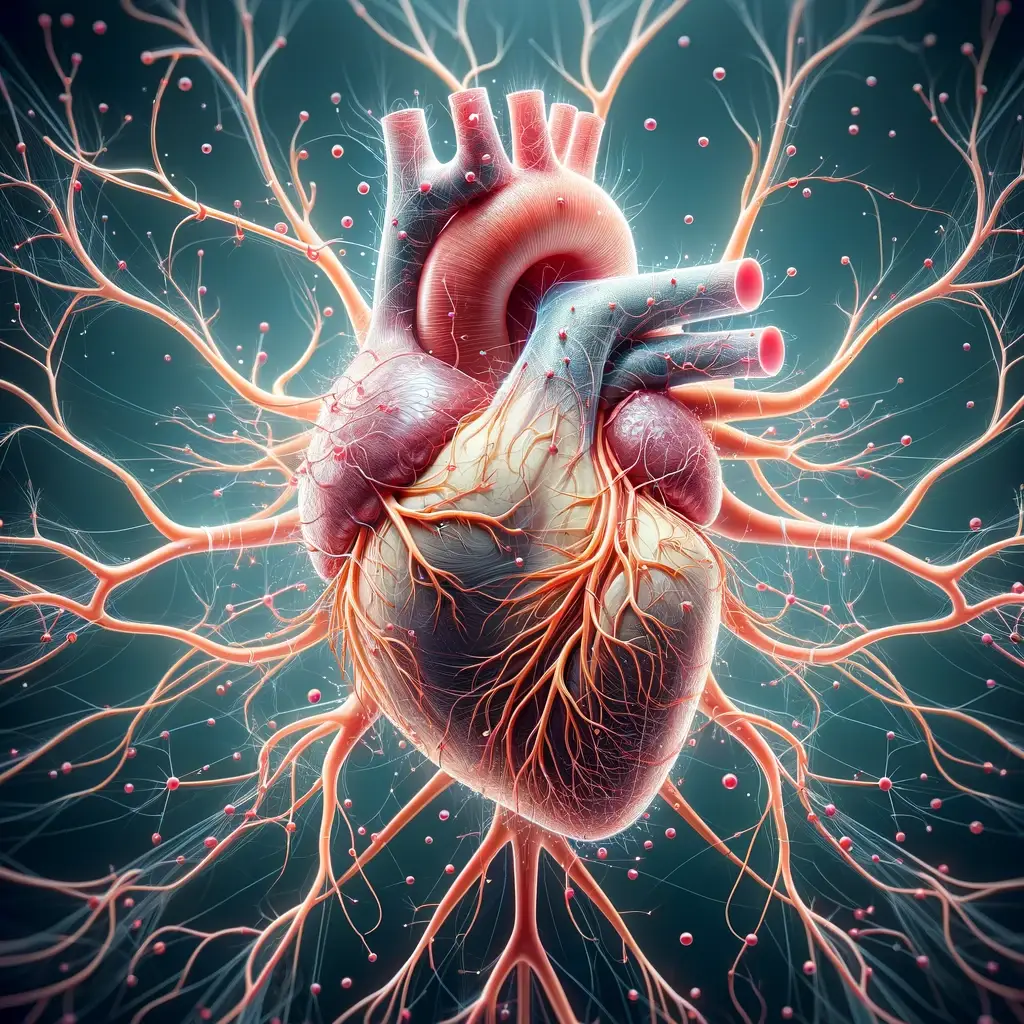
Many individuals who have experienced childhood trauma often feel burdened by their past. However, it is essential to understand that past experiences do not have to determine your future regarding love and relationships. There is hope, and you can take a path towards healthier and more fulfilling connections.
Your past does not have to define you; it’s a chapter that has shaped you, but it does not have to determine your future. Healing is not only possible, but it is also achievable, promising a future where you can form bonds that are not only secure but also profoundly enriching.
While relationships can be challenging, they offer immense opportunities for personal growth, connection, and happiness. By understanding the common challenges and actively working on foundational elements like communication, emotional connection, and personal development, you can navigate the complexities of relationships and build stronger, more fulfilling connections.
It’s often said that true healing of attachment can’t fully happen outside of a committed relationship. While you can do preparatory work such as regulating your nervous system, developing boundaries, and understanding your attachment patterns, the most profound healing requires another person to show you that you are lovable, loved, and wanted. Some have said that you must be healed and whole before you can love someone else, emphasising the importance of self-love first.
The love of a conscious relationship goes beyond what you can find. It requires the intricate process of bonding, reshaping the nerves around your heart, and etching the shape of your loved one deeply into your being.
In a world where the developmental and attachment process has been damaged, many struggle with unhealed attachment wounds and find it challenging to form conscious relationships properly. Yet, healing attachment is about healthily relearning to create conscious relationships, not just with our partners but also with our children and friends.

To embark on this journey, you must hold unshakeable standards for yourselves and your relationships. Recognising your attachment styles and being willing to address them is crucial. Setting these standards and holding ourselves accountable opens the door to deep intimacy and love.
Childhood experiences of disconnection from a parent or caregiver can implant painful self-perceptions that persist into adulthood, impacting relationships not only with intimate partners but also with friends, relatives, and colleagues. These internalised messages shape how you view yourself and interact within various relationships, often perpetuating cycles of conflict and misunderstanding unless addressed and healed.
Power Struggles in Relationships
The power struggles you encounter in relationships are not merely obstacles but gateways to deeper connection and love. Within every disagreement lies the potential to uncover and transform the dynamics of your relationship into something more prosperous and more fulfilling. Recognising these moments as opportunities requires a shift in perspective, where open and positive discussions become the tools for growth. By learning to navigate these conflicts constructively, couples can unearth invaluable insights, leading to a profound strengthening of their bond and the enrichment of their shared love journey.Conscious Relationship Workshops
Unlock the door to transformative growth and deeper connections in your relationships—join this workshop to embark on a journey where understanding meets healing, and every challenge becomes an opportunity for love to flourish
Aisha Ali is a much sought after relationship psychotherapist in the UK and world-wide. She is known for her intuitive insight and skilled at getting to the core of issues. Helping people to transform unwanted patterns. Clients experience support, clarity, a sense of peace, balance and accomplishment. Aisha brings a warmth of heart and depth of sincerity to her practice that’s quite unique.
30 Days To Consciously Bring Love Into Your Life
- When Love Is There But Intimacy Has Faded | Couples Therapy
- Couples Therapy Workshops
- How Trauma Shows Up in Intimacy — and What Helps
- Meeting The Shadow in Love
- Embodied Approach To Healing Disconnection In Couples, Families And Groups
- Transforming Your Relationships | Internal Family Systems (IFS)
- Turn Holiday Stress into Connection: Navigating Family Dynamics with Grace
- Living from the Heart | Somatic Practices for Deeper Connection and Empowered Leadership
- Turning Relationship Conflicts into Deeper Connections- A Guide to Conscious Relating
- Breaking Childhood ‘Secret Contracts’ to Achieve Adult Relationship Success
- The Impact Of Collective Trauma On Your Wellbeing And How To Heal It
- SOS – A Call For A Greater World Service
- You Matter because you are Energy, you are Atomic…
- Freedom & Commitment in Relationships
- Taking Charge of your Erotic Charge in relationship
- One of the greatest relationships secrets
- Love Addiction or Intimacy Avoidance?
- Find your Flow
- Learn to resolve conflict without damaging your relationship
- Chi Kung and Meditation
- Developing Loving Kindness & Compassion
- Why Stress Is Deadly?
- Day Light Saving & Coldplay
- A Shift in Consciousness
- The power of Thought
- Conscious relationships
Contact Aisha Ali
Living from the Heart:
T 07855 781 210
S aishaali
E admin@livingfromtheheart.co.uk
Aisha Ali is a much sought after relationship specialist. She is known for her intuitive insight, she is very skilled at getting to the core of issues and helping individuals and couples transform unwanted repeated patterns. Her clients experience support clarity, awareness and a sense of peace, balance and accomplishment.
Recent Comments